
FEDERAL FISHERIES • NORTH PACIFIC
Where Alaska fisheries policy becomes federal action.
The North Pacific Fishery Management Council is where science, economics, public testimony, and user-group impacts are weighed before federal fisheries recommendations move toward implementation.
1 of 8Regional fishery councils
5Regular meetings each year
22Advisory Panel members
3–200 nmFederal waters off Alaska
THE 100-FOOT VIEW
The Council recommends. NOAA reviews and implements.
Created under the Magnuson-Stevens Fishery Conservation and Management Act, the Council develops fishery management plans and recommends federal management actions for fisheries off Alaska.
Its recommendations move through federal review. NOAA Fisheries then carries out rulemaking, implementation, and enforcement when the action meets applicable law.
The process is public by design. Analysis, advisory review, written comments, and oral testimony all become part of the decision record.
FROM ISSUE TO ACTION
How a federal fishery decision moves.
Most major actions move through a sequence of problem definition, public analysis, advisory review, testimony, Council action, and federal rulemaking. The path is deliberate because the consequences reach fish, fisheries, businesses, and communities.
01
Issue Identified
A management problem, conservation concern, industry request, or changing condition enters the Council process.
02
Analysis & Alternatives
Staff develops information and compares possible actions, impacts, tradeoffs, and legal requirements.
03
Scientific Review
The Scientific and Statistical Committee reviews the best available scientific and economic information.
04
Advisory Review
The Advisory Panel considers the issue through the practical perspectives of affected fisheries and communities.
05
Public Input
Written comments and oral testimony put facts, experience, concerns, and proposed solutions into the record.
06
Council Action
Council members debate the alternatives and select a recommendation or direct more work.
07
Federal Review
NOAA Fisheries reviews the recommendation and conducts the required federal rulemaking process.
08
Implementation
Final regulations, guidance, monitoring, and enforcement put the approved action into practice.
Process note: Not every issue follows this exact sequence, and an action may return for more analysis or additional public review. Use the current meeting eAgenda for the actual status of a specific issue.
WHO IS IN THE ROOM
Different roles. One public record.
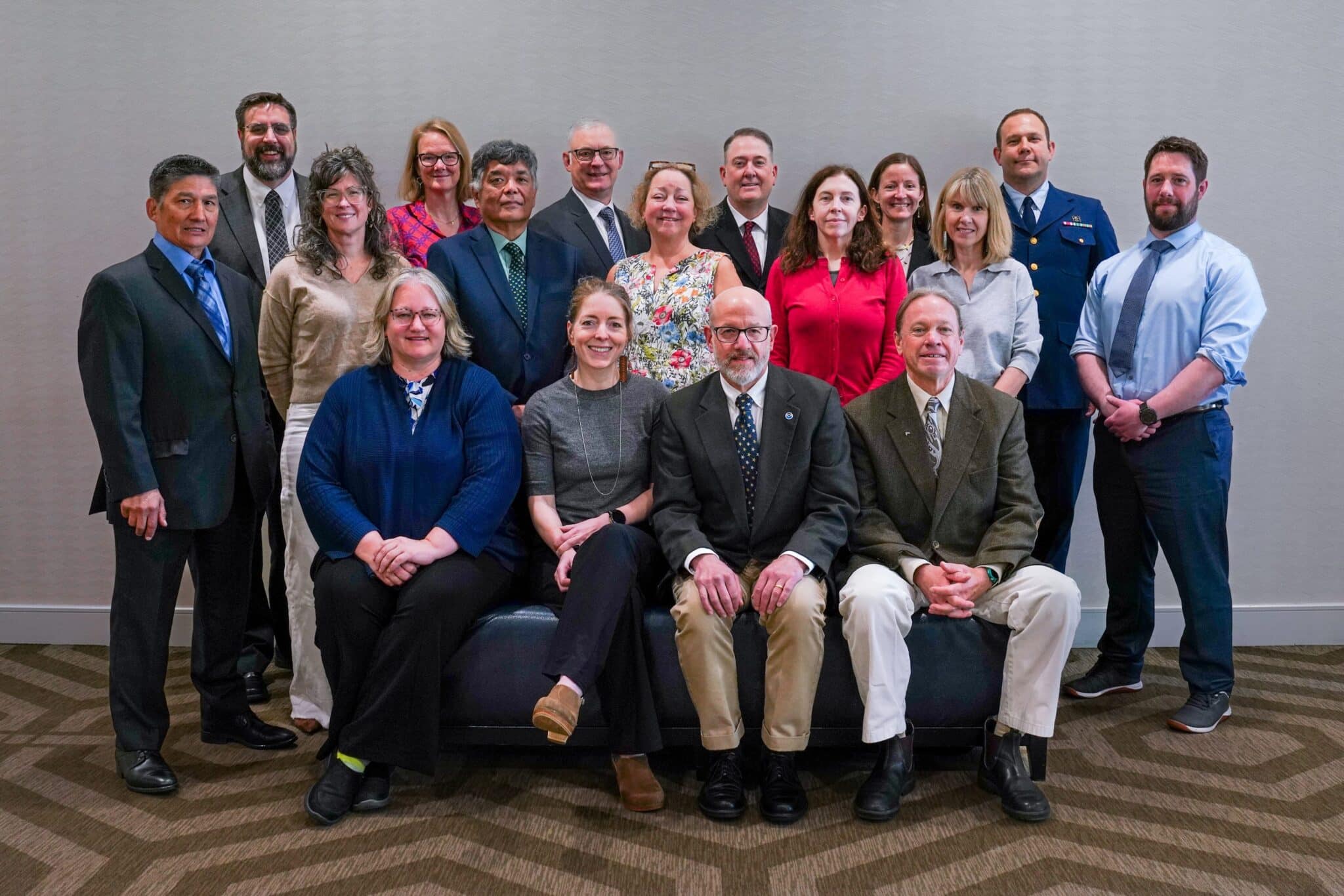
No single group owns the process. Council decisions are informed by scientific review, stakeholder advice, agency expertise, public testimony, and the record developed for each action.
DECISION BODY
The Council
Council members hear the record, weigh alternatives, and take formal action through recommendations and policy direction.
SCIENCE & ECONOMICS
The SSC
The Scientific and Statistical Committee reviews analyses and provides scientific and economic advice to the Council.
STAKEHOLDER ADVICE
The Advisory Panel
A 22-member panel examines issues through commercial, recreational, subsistence, community, and other stakeholder perspectives.
TECHNICAL DETAIL
Committees & Plan Teams
Issue-specific committees and technical teams develop recommendations, review data, and focus on implementation details.
IMPLEMENTATION
NOAA & Agency Staff
Federal and state experts provide analysis, administration, legal review, monitoring, and implementation support.
LIVED EXPERIENCE
The Public & Industry
Operators, captains, staff, anglers, communities, tribes, and other participants contribute knowledge that analysis alone cannot supply.
WHY SOUTHEAST ALASKA FOLLOWS THE COUNCIL
Federal policy reaches the dock, the deck, and the community.
Council actions can affect how charter businesses operate, what opportunity anglers receive, how fisheries interact, and whether Southeast Alaska communities can plan with confidence.
01
Charter Halibut Allocation
The Catch Sharing Plan divides the Area 2C and 3A halibut allocation between the commercial and charter sectors and establishes the framework for annual guided sport measures.
02
Annual Management Measures
Bag limits, size limits, season closures, and related tools are evaluated to keep projected guided removals within the available allocation.
03
Halibut Bycatch
Prohibited species catch and bycatch mortality in other fisheries can affect the halibut stock and the opportunity available to directed users.
04
Salmon Bycatch
Management of Chinook and chum salmon bycatch in federal groundfish fisheries intersects with conservation, subsistence, treaty, and fishing opportunity concerns.
05
Access & Flexibility
Charter permits, guided angler fish, the Recreational Quota Entity, and other tools shape who can participate and how businesses adapt.
06
Economic & Community Effects
The analysis behind federal action must account for operating realities, visitor spending, employment, access, and the resilience of coastal communities.
THE ANNUAL CHARTER HALIBUT CYCLE
The next season starts before this season ends.
Guided halibut measures in Areas 2C and 3A are developed through a recurring fall process. Industry participation matters early, while alternatives are still being shaped and analyzed.
The Council works within the allocation framework and expected removals. The International Pacific Halibut Commission and NOAA Fisheries also have distinct roles in the broader annual process.
Important distinction: The IPHC establishes coastwide conservation measures and catch limits. The Council allocates Alaska halibut catch among user groups and develops federal management recommendations consistent with that framework.
October • Build alternativesThe Charter Halibut Management Committee typically develops and refines possible measures for the coming year.
Fall • Analyze expected removalsADF&G evaluates how proposed combinations of measures are expected to perform against the allocation.
December • Recommend measuresThe committee and Council consider the analysis, public testimony, and tradeoffs before selecting recommendations.
Winter • Finalize & publishAnnual measures move through the IPHC and federal processes before NOAA publishes the regulations anglers and operators use.
HOW TO PARTICIPATE
Enter the process before the decision is made.
You do not need to be a policy expert to participate. A useful comment explains the problem clearly, connects it to evidence or direct experience, and tells the decision-makers what outcome or alternative you support.
01
Track What Is Coming
Use the Three-Meeting Outlook to see which issues are expected to appear on upcoming Council agendas.
02
Open the eAgenda
The current meeting page links the agenda, action memos, analyses, presentations, comments, and meeting access.
03
Read the Decision Materials
Start with the staff action memo. It usually explains the question before the Council, the alternatives, and the requested action.
04
Submit Written Comment
Written comments are filed through eAgenda and become part of the public record for the relevant agenda item.
05
Give Oral Testimony
Sign up through eAgenda after the meeting begins and before the testimony signup for that agenda item closes.
06
Coordinate with SEAGO
Share operating experience, data, concerns, and proposed solutions early enough for SEAGO to prepare and represent the fleet.
Deadlines move with each meeting. Written comment commonly opens several weeks before a meeting and typically closes at noon Alaska time on the Friday before the meeting. Always confirm the current deadline and oral testimony instructions on the live eAgenda.
SEAGO AT THE COUNCIL
A regional voice built from real operating experience.
- Track agendas, analyses, and meeting developments.
- Gather perspectives from lodges, charter operators, captains and staff, supporting businesses, self-guided operations, and anglers.
- Translate technical proposals into practical operating consequences.
- Submit comments, testify, and coordinate industry participation.
- Report decisions and next steps back to the fleet.
LIVE COUNCIL RESOURCES
Use the live record, not an old deadline.
Meeting dates, agenda order, analyses, and comment windows change. These official links keep the page useful without locking time-sensitive details into the design.
Current MeetingAgenda, materials, comments, testimony, and meeting access.Open current meeting
Three-Meeting OutlookUpcoming issues and anticipated Council agenda timing.Open the outlook
Future MeetingsCouncil meeting dates, locations, and planning information.View future meetings
NPFMC HomeCouncil news, fisheries pages, committees, and official resources.Visit npfmc.org
THE RECORD IS STRONGER WHEN THE FLEET IS IN IT.
Do not wait for the final rule to speak up.
Bring an issue, operating impact, or proposed solution to SEAGO. Early information gives the organization time to analyze the question, coordinate the fleet, and carry a clear Southeast Alaska sport fishing perspective into the process.